Becoming a Pilot: A Practical Overview for Beginners
The concept of flying payloads, people, or just air itself frequently lands on a quiet early morning when the sky is an accurate blue and the globe really feels all of a sudden three-dimensional. For many, the imagine ending up being a pilot is less concerning magnificence and even more about little, repeatable steps that build up. It is a technique improved behavior, timing, and real-world problem addressing rather than sheer ideas. If you're starting from fresh start, you're not alone. This guide aims to map sensible terrain-- how to select a path, what training needs, and what it seems like to earn a pilot certification without glossing over the difficult parts.
The lure of the cockpit is not simply the thrill of lift and thrust. It is the feeling of command that includes recognizing climate patterns, gas monitoring, and the subtle psychology of choice making in moments when the clock is ticking. You do not have to be born with some innate propensity for aeronautics. A lot of pilots arrive via late nights at research study desks, mornings at the flight school, and a stable method of turning intricate issues right into concrete actions. The trip is as much about building a trustworthy routine as it is about understanding the airplane.
Starting with the why assists you keep momentum when your very first trips really feel unpleasant or when the weather insists on being in contrast. Why do you wish to fly? Is it for occupation prospects, personal experience, or the simple pleasure of grasping a craft that reminds you of just how tiny the world is and how big the sky can be? The honest solution issues, since it anchors choices later on-- how much time you spend, which training track you pick, and exactly how you stabilize it with various other life demands.
A useful approach to learning to fly starts by debunking the process. Flight is not concerning memorizing every instrument and checklist at the same time. It has to do with constructing a durable toolkit: a reputable frame of mind, a solid foundation in standard the rules of aerodynamics, excellent behaviors in radio communication, and a self-displined technique to security. The plane is ruthless of careless reasoning, yet it rewards clear, methodical work. You will find out to equate theory into technique via a rhythm of research, flight, debrief, and modification. The most successful pupils I have actually recognized are not the ones who fly the most; they are the ones that gain from every hour airborne and deal with each flight as a chapter in a longer narrative.
As an experienced onlooker of training courses, I have actually seen 3 core facts constantly shape results: accessibility to a properly designed program, the high quality of guideline you receive, and the daily consistency with which you apply what you find out. Accessibility issues because not every town has a gleaming flight school with a lengthy record. Some people train at smaller sized, extra intimate schools, while others take a trip to regional facilities that use a wider range of planes and trainers. The quality of direction issues due to the fact that a person, accurate instructor can alter a trainee's trajectory in manner ins which money can not buy. Consistency matters since aviation is a sporting activity of accumulated little advantages; a few missed practice sessions or hurried cross-country legs can create self-confidence voids that surge into much more major troubles later on.
In the world of aeronautics, you will certainly hear a lot concerning certifications and timelines. It serves to frame your aspirations with a concrete feeling of what you want to attain and by when. Do you desire a private pilot certificate so you can fly on weekends with pals? Are you going for a commercial certificate that enables you to be paid for flying? Or do you picture a future occupation in air transportation, where hours and type scores open doors to airlines? Each course calls for an unique blend of time, money, and danger tolerance. The numbers differ by country and by neighborhood laws, yet the underlying logic continues to be the very same: set clear landmarks, purchase principles first, and withstand need to skip actions since they feel tedious.
Before you stroll toward the path of possibility, there are a couple of functional realities to comprehend. Air travel safety depends upon focus to weather, upkeep, and the plane's systems. You will certainly discover to review a weather briefing not as a fog of data but as a tapestry that educates your risk evaluation for a provided trip. You will certainly come to be fluent in lists and the reason they exist, not merely their words. You will collect trip time across daylight and night hours, across tranquil and complicated air conditions. You will likewise become well-versed in the language of danger management, learning to state no to a flight you can not securely complete and to err on the side of extra fuel, additional daylight, and extra caution when the photo is not clean.
The road to a very first certification is led with tiny, teachable minutes. Many individuals begin by checking out a flight school for an introductory trip, in some cases called an exploration trip. A skilled trainer will assist you with the cockpit, describe the basics of how the controls feel, and help you respond to a basic question: do you delight in the acts of thinking and carrying out the tasks in real time? This very first encounter often clears up whether aeronautics is a hobby you will go after with full severity or an interest to please for a season. From there, the trip often tends to crystallize into a series of turning points: medical clearance, ground college, FAA or national aviation authority requirements, and trip hours that verify you can manage the aircraft under a wide array of conditions.
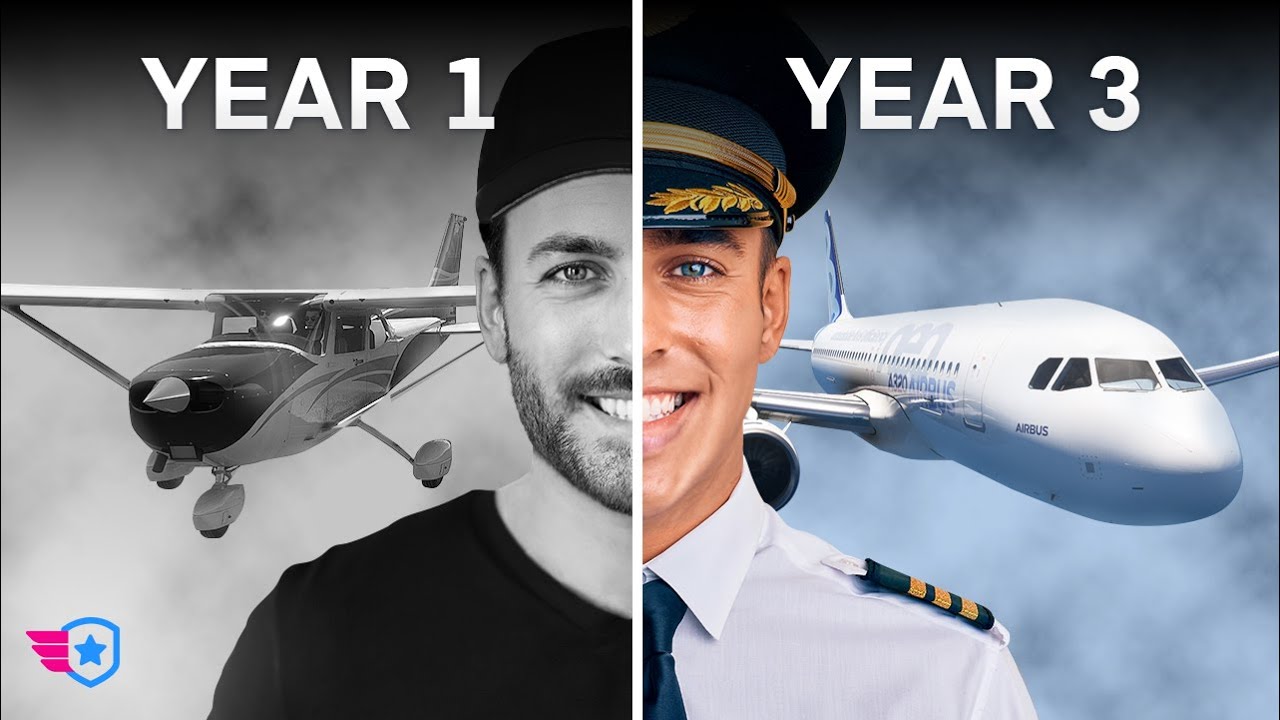
One of the most crucial early decisions concerns the type of training you go after. In general, you will locate two broad tracks. The initial stresses a typical, instructor-led path in a little aircraft such as a Cessna 172 or a Piper Archer. The second favors an extra contemporary, incorporated program that blends self-study, simulator time, and organized flight hours with a more comprehensive emphasis on decision making and safety culture. Both have their virtues. The initial path commonly provides a concrete feeling of progression and an uncomplicated course to a personal certificate. The secondly can accelerate the development of audio routines, particularly for those who react well to a more formalized structure. Your option should fit your character, your schedule, and your budget.
As you near the factor of gaining your first certificate, you will bring a mix of exhilaration and fatigue. There are long minutes between solo trips when you doubt whether you have actually learned sufficient, whether your self-confidence can withstand the pressures of real airspace, and whether this obsession will pay off ultimately. Those doubts are not signs of weakness; they reveal the honesty you need to proceed. The risk-free pilot is not the one that never erred, but the one who acknowledges a blunder swiftly, connects it plainly, and takes rehabilitative action without apology. In technique, that means you will embrace debriefing sessions with your trainer that focus on concrete examples, not lectures. It means you will track fads in your very own performance, trying to find patterns-- like recurring stalls at certain airspeeds or methodical gaps in radio telephone calls-- that you can attend to before they become habits.
The equipment and logistics of your training be entitled to thoughtful focus as well. Your thickness of discovering is often connected to just how well you balance airplane time versus research time. You may discover on your own investing evenings in a peaceful edge of the flight terminal, reading graphes, aerodynamics basics, and airspace regulations. You might carry a worn notebook loaded with doodles and pointers, a straightforward yet effective artefact of your expanding psychological map of the skies. You will certainly additionally experience maintenance facts that being in the background of every flight. Little troubles, left unattended, have a method of becoming bigger migraines mid air. The safety culture in aviation teaches you to appreciate preflight checks, to record and report the problem of an aircraft honestly, and to appreciate the silent rhythm of recurring maintenance.
In talking about functional actions, it aids to anchor your plan in some realistic structures. The adhering to list records the necessary foundation most novices run into, and it can work as a portable guide you revisit as you proceed. This is not an inflexible prescription, however a small map of the roadways most traveled by those who spend time flight terminals enough time to see patterns emerge.
- Decide on a training track that straightens with your objectives and life schedule.
- Get medical clearance appropriate to your country, after that begin ground school to build a solid theoretical base.
- Choose a flight school or program with a track record for safety, clear interaction, and consistent mentor staff.
- Establish a steady practice routine that consists of both actual trip time and study time for weather, the rules of aerodynamics, and navigation.
- Save and allocate the inevitable costs, including airplane service, teacher charges, exam charges, and possible multi-hour training blocks.
These products may appear straightforward, yet commercial flight training they crystallize the tension most newbies feel between need and reality. A well-chosen track minimizes rubbing later on, the appropriate school gives a steady knowing setting, and a self-displined routine keeps you moving on also when weather condition or personal life tests your commitment.
In the cabin, you discover that every trip is a negotiation between risk and reward. You learn to fly the plane, naturally, but you also discover to fly your mind. The initial solo trip, a moment many pilots recall with a smile and a hint of shock, is not simply concerning the airplane leaving the ground. It has to do with the moment you realize you can handle the whole scenario on your own, from launch with the climb, the cruise, and the landing. The sensation is not just alleviation; it is a peaceful kind of validation that years of practice have actually equated right into capability. The day after that turning point you wake up with brand-new concerns and brand-new boundaries. The airspace you've discovered to respect expands, not because it all of a sudden ends up being more hazardous, yet since your capacity has actually expanded enough to consider even more of it as within your control.
A frequently ignored aspect of training is the social and professional ecology around you. Aviation is a social activity in the best sense: you gain from teachers that commonly stay mentors long after you make your very first certificate, you work together with fellow students who share similar passions, and you communicate with air website traffic controllers who help you browse intricacy with calm, precise instructions. The quality of these communications can drastically impact your understanding contour. A client instructor who clarifies a tough idea with a practical analogy can prevent days of complication. A considerate pupil that asks making clear concerns produces a dialog that profits everybody in the airspace. You swiftly learn that air travel is as much concerning society as it has to do with physics. The society you cultivate-- humility, inquisitiveness, rigor-- will lug you deeper into the globe than any type of single trip hour.
There are, certainly, edge situations and individual restrictions that shape almost every student tale. Some pilots begin their journey after finding a short-term home window of life-- a space in between professions or a time-out in a long-term project. Others handle training with family members obligations, or with a requiring permanent work. For numerous, the useful concern ends up being not whether they must start yet exactly how to structure a strategy that continues to be sustainable over years instead of months. It is common to straighten training with a certain timeline, such as pursuing a personal certification before a huge travel period or completing instrument training to add a layer of security and capability for flying in varying weather condition. One of the most sensible pilots approach this with a viewpoint, acknowledging that aeronautics is a marathon rather than a sprint, which a well-paced pace will certainly generate far better safety and security and satisfaction.
One final area where experience shapes end results is the relationship in between time, price, and learning. Air travel lives at the junction of high responsibility and high price. There is no universal regulation that says one must tire a savings account to begin flying, but there is a fact that the a lot more you prepare your financials, the less anxiety you lug into the knowing environment. Temporary cost savings hacks can backfire if they erode safety and security or lead to hurried choices. On the other hand, a well-managed budget plan that schedules a cushion for periodic six-hour block trips or a few additional simulator sessions can speed up convenience with the aircraft and airspace. In my very own profession, I viewed students who treated their training like a local business-- tracking hours, projecting costs, and scheduling lessons with a purpose-- outperform peers who treated it as a leisure activity and wished for the very best. The distinction is not intelligence; it is technique and quality about the next right step.
The path ahead is not a straight line. It zigzags via climate windows, upkeep hold-ups, and the inevitable curveballs of life. Yet there is a stable core you can rely on: practice with intent, discover with sincerity, and stay based in safety. The minute you understand that an offered flight is extra about making the wise decision not to fly than regarding pressing with despite the risk, you begin to inhabit the state of mind of a liable pilot. This state of mind is the true money of air travel. It will help you choose when to press on and when to stop briefly, and it will bring you through the inevitable moments when you deal with a border you can not go across on that particular certain day.
If you're still reading and the idea of spending years going after a certification feels intimidating, below is a sensible reminder: progress is hardly ever dramatic in aviation. It often tends to show up as quiet skills gathered over numerous hours. You do not require a best weather condition window to find out. You do not need remarkable memory to soak up ground school. You do not need to be the fastest to solo. You need to turn up, do your job consistently, and allow the everyday enhancements compound. The initial flight you complete where you feel the airplane react to your purposes with self-confidence is a substantial signal that you are moving in the appropriate direction. The 2nd, 3rd, and tenth flights built on that success, weaving together separate lessons into a systematic capability, is where the actual magic begins.

As you close in on your very first turning point, you will certainly additionally start to sense a more comprehensive responsibility. A pilot does not run alone; a pilot is responsible for the security and convenience of everybody aboard and for the honesty of the airspace around. This sense of obligation expands with practice. It likewise welcomes you to seek coaches, to observe more experienced pilots, and to soak up the several tiny ideas that only originate from hours in the cabin and hours of reading the skies. It is a craft that welcomes you to remain curious, to remain versatile, and to approve that aeronautics will constantly need more from you than you expect, also as it offers you more than you ever imagined.
For those who long for the last item of the challenge-- the moment you hold a certificate in your hand and the main voice on the radio confirms your new standing-- there is a mix of alleviation and willpower. best pilot school in [country/state] You have actually made more than a card or a stamp. You have earned a means of believing that mixes science with judgment, and a collection of habits that sustain you through the unavoidable days when the weather outside does not meet your strategies. You have signed up with a community of individuals that recognize that trip is not a singular achievement but a common technique, a network of people that will be there on damp mornings and on windy mid-days, to aid you remain secure and to aid you fly further than you when imagined.
In completion, becoming a pilot starts with a solitary choice to begin. It progresses through a collection of cautious selections: the best track, the best institution, the best teacher, the right amount of time, and the appropriate equilibrium of ambition and restraint. It is a choice to invest in an ability that expands with your dedication, a discipline that compensates persistence and accuracy, and a course that opens up doors not just to the open skies yet to the way you consider risk, obligation, and opportunity. If you approach it with honesty, rigor, and a healthy and balanced respect for the craft, you will find that the skies invites you not as a conqueror yet as a partner, all set to educate you how to read the air and how to use your hands and mind to chart a program with it.
If you are contemplating this trip today, right here are a couple of based takeaways to carry forward right into your next actions. First, recognize that your price of progress will be shaped by your consistency more than your bursts of initiative. Tiny, stable hours add up in means you can really feel just after weeks or months. Second, invest early in high quality guideline and a well-supported training environment. The best educator makes an essential distinction in exactly how rapidly you establish right routines and just how securely you find out to push your limits. Third, cultivate a functional state of mind towards expenses and organizing. Deal with training like a long-lasting task with milestones, spending plans, and routine testimonials of your progress. 4th, immerse on your own in the culture around air travel. The even more you listen to real-world tales from pilots that have walked the same path, the quicker you will certainly take in the subtleties that can not be discovered in a book. Ultimately, remain interested regarding weather, airspace, and the plane itself. Every flight teaches you something new if you approach it with humility and a readiness to adjust.
The road to becoming a pilot is not a sprint. It is a deliberate journey that rewards dependability, regard for security, and a readiness to pick up from every flight. If you are ready to begin, you will not awaken one early morning to discover yourself a pilot by mishap. You will certainly get to there through deliberate method, stable guidance, and the straightforward, stubborn act of turning up. That combination is exactly how you transform a dream into a substantial, continuous method of trip. And once you have tasted the initial hours where the aircraft responses your actions with a tranquility, positive reaction, you will certainly understand you have actually located an area that fits you as definitely as your very own shadow fits the wingtip in brilliant sun.
The skies is not a last location. It is a place you discover to navigate, a technique you learn to share, and a point of view you gain that modifications just how you see the world. Becoming a pilot is about selecting a course that fits your life, devoting to the daily acts that construct competence, and welcoming the continuous discussion with the plane, the weather, and the airspace that surrounds you. In that dynamic partnership lies the factor many of us keep going back to the cabin, long after the initial certification has gathered a light layer of dirt on the wall surface and the next control panel holds the promise of another challenge, another lesson, one more flight.